


Landslide monitoring
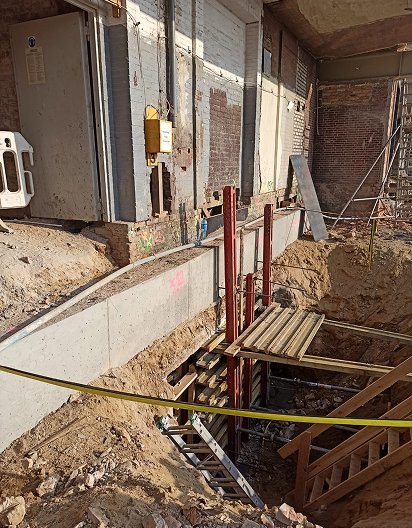
involves the continuous observation of slope stability using sensors such as inclinometers, piezometers, and GNSS. It helps detect ground movements early, enabling timely intervention to prevent structural damage or safety risks.
Strain gauges
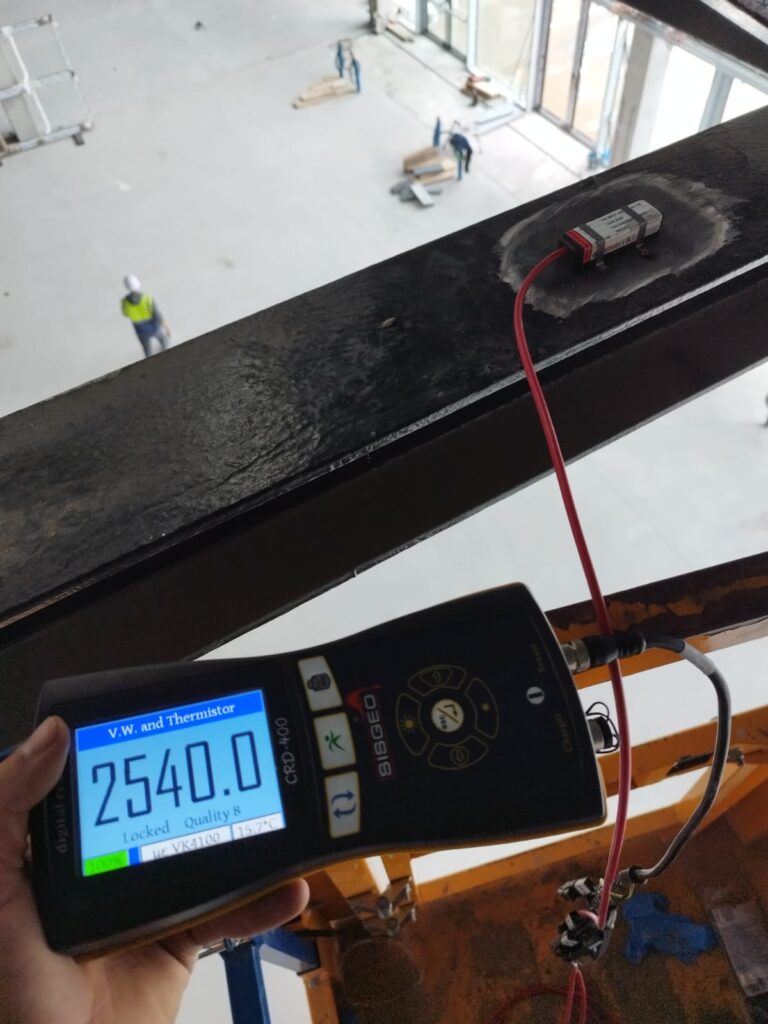
are used to monitor deformation and internal stress in structural elements like beams, columns, and foundations. By attaching precise sensors to materials, engineers can assess load effects, detect fatigue, and ensure structural safety under real operating conditions.
Crack width monitoring
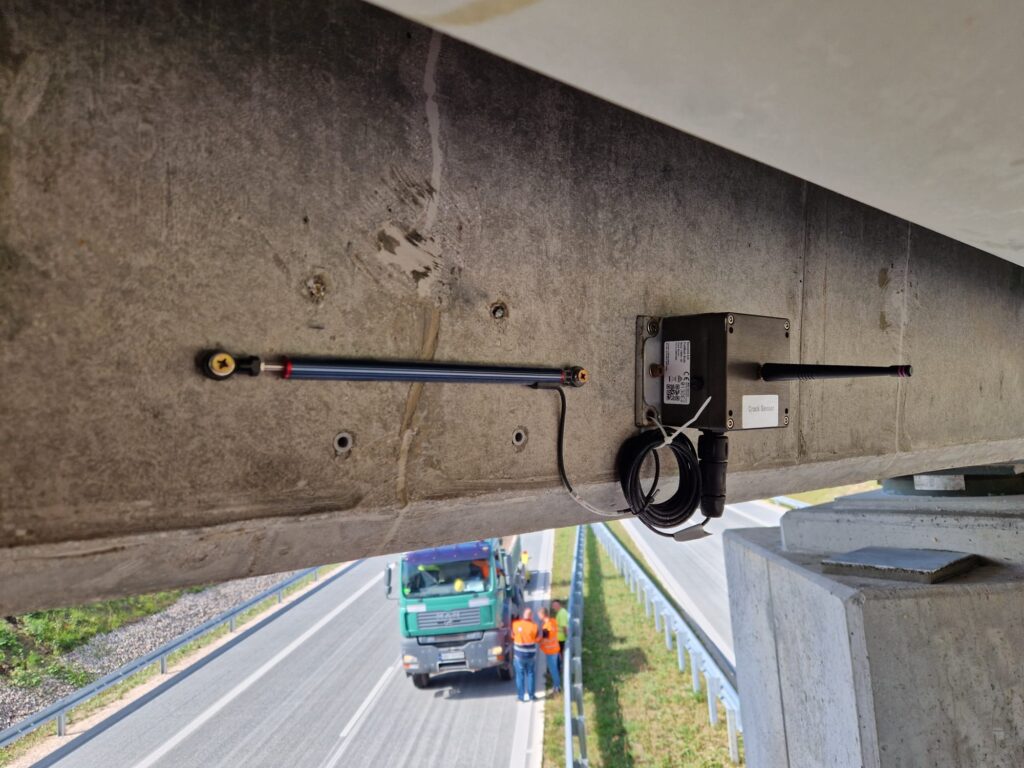
is used to track the development and progression of structural cracks over time. Using mechanical or digital sensors, engineers can assess whether movements remain within acceptable limits or indicate deeper structural problems.
Inclinometer Monitoring
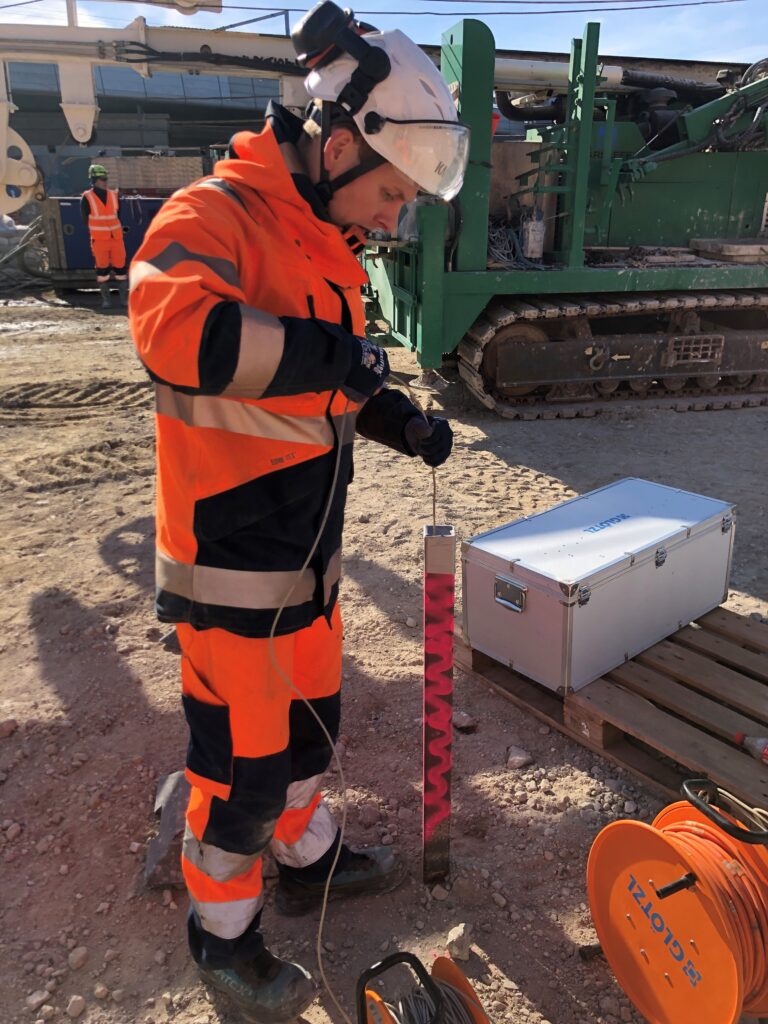
involves measuring horizontal ground or structural displacements, typically in slopes, retaining walls, or excavation zones. The system helps detect early signs of instability and is essential for geotechnical safety assessments.
Structural Monitoring
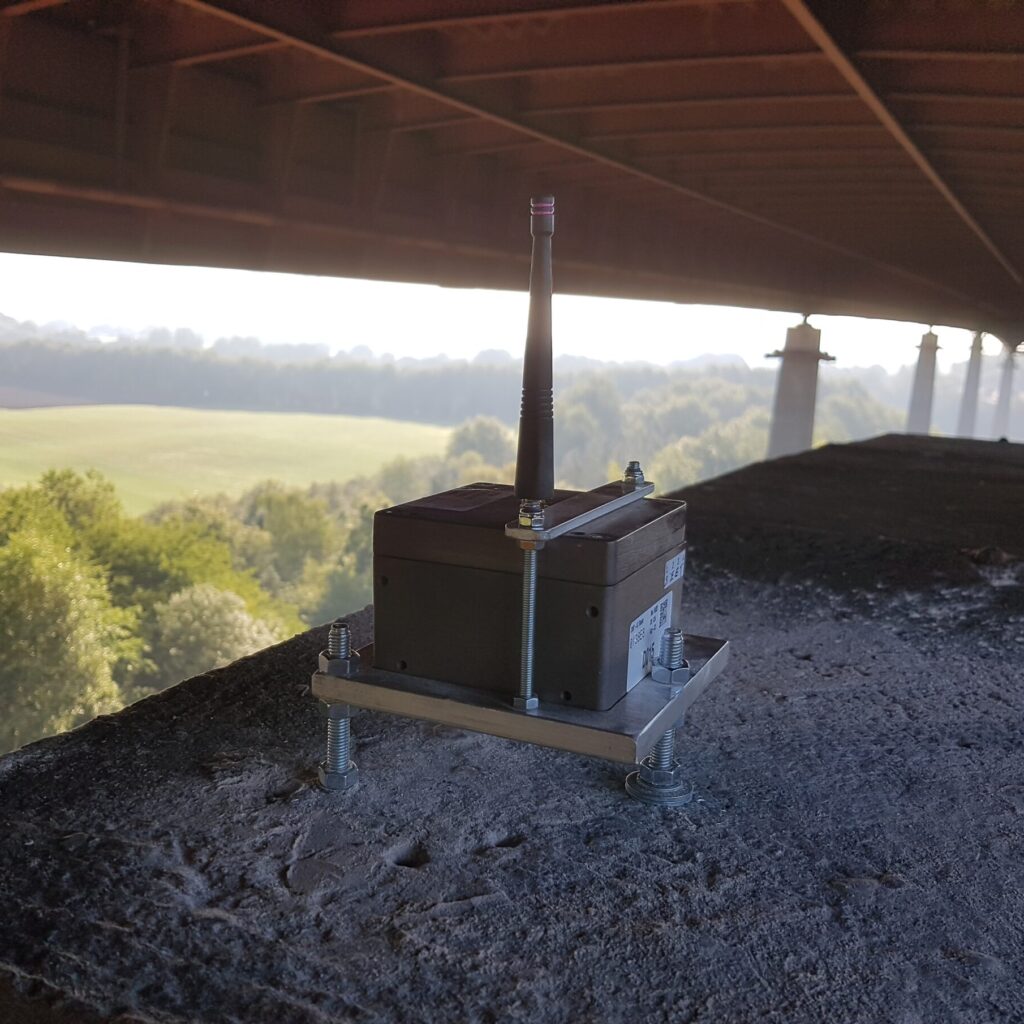
involves the continuous measurement of key parameters such as strain, displacement, vibration, or temperature in buildings and infrastructure. It provides real-time insight into structural performance and helps detect damage or deterioration at an early stage.
Noise Measurement and Monitoring
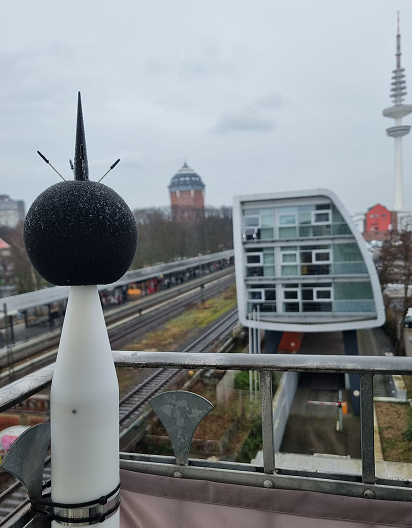
are conducted to evaluate sound levels generated by construction, industry, or traffic. The system ensures compliance with environmental regulations and protects residents and workers from harmful noise exposure.
Vibration measurement and monitoring
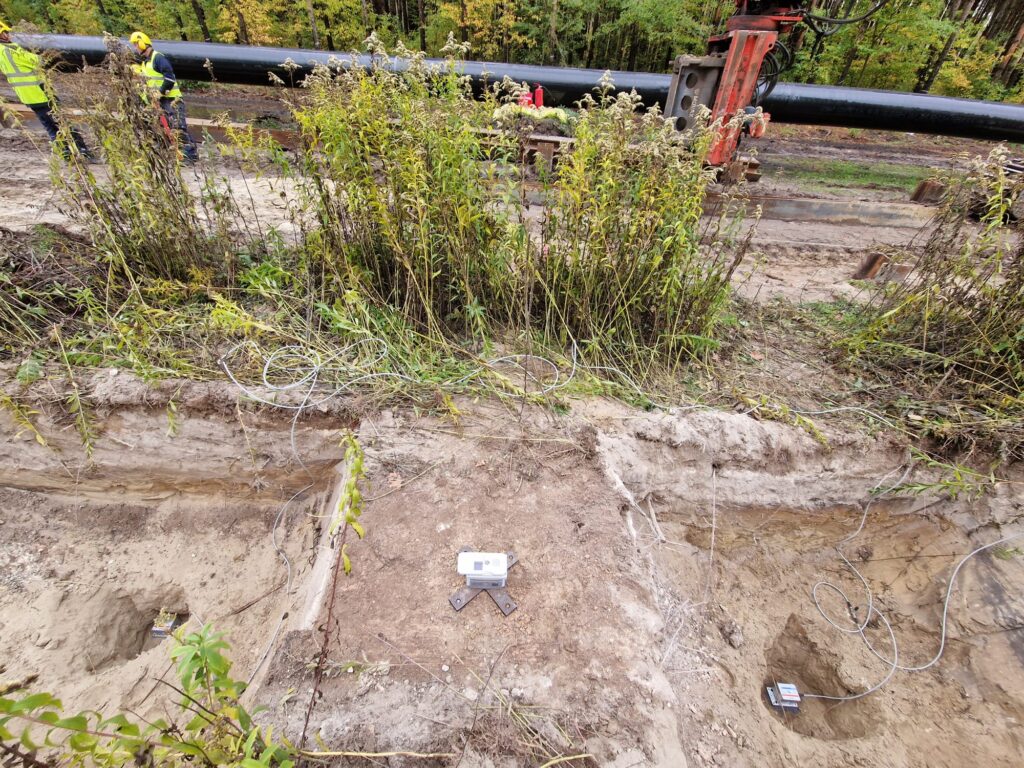
are used to assess the impact of construction activities, traffic, or machinery on nearby buildings and structures. By continuously recording vibration levels, the system ensures compliance with safety standards and protects sensitive environments.
Neighbouring Structure Photographic Documentation – buildings and roads

is carried out before construction begins to record the existing condition of adjacent structures, roads, or utilities. It serves as legal and technical evidence in case of damage claims during or after construction.